Your passwords are already for sale. The only question is whether you know it yet. Stolen credentials jumped from 10% to 16% of all cyberattacks in just one year, making it the second most common attack vector behind exploits. With 3.9 billion passwords compromised by infostealer malware and 94% of people reusing the same credentials across multiple sites, your business authentication isn't just vulnerable; it's already broken. While you're investing in firewalls and endpoint protection, crimina
Your MSP's favourite remote access tool just got breached. Again. ConnectWise ScreenConnect, the software thousands of managed service providers use to "protect" small businesses, has been hit by yet another cyberattack—this time by suspected state-sponsored hackers. But here's the real scandal: this is the same platform that suffered critical vulnerabilities in 2024, enabling ransomware gangs to turn MSP networks into criminal infrastructure. If your IT provider is still using repeatedly compro
Your £6,000 professional printer just joined a criminal botnet. For six months, Procolored shipped malware-infected drivers that turned customer systems into cryptocurrency theft machines, netting criminals nearly $1 million in stolen Bitcoin. When YouTuber Cameron Coward tried to install the "legitimate" software, his antivirus screamed warnings. Procolored's response? "False positive." Even after researchers found 39 infected files containing backdoors and Bitcoin stealers, the company kept de
Your board meeting was spectacular. "Cloud transformation complete! 40% cost reduction!" The CEO used "digital excellence" without irony. Three days later, 590 million Ticketmaster records were for sale. The Snowflake breach wasn't sophisticated hacking—attackers used 2020 passwords from contractor gaming PCs that nobody changed. AT&T lost "nearly all" wireless customer data. Santander: 30 million records including account balances. None had basic multifactor authentication. While executives
It's 2025. You're reviewing quarterly security metrics, feeling pleased with zero phishing attempts. Meanwhile, the developer who pushed code yesterday is funnelling his salary to Kim Jong Un's nuclear programme. One facilitator helped infiltrate 300+ US companies, generating $6.8 million for weapons development. Google found them applying to Google. Cybersecurity vendors accidentally hired them. If the experts are getting played, your HR department doesn't stand a chance. They're not just colle
Pull up a chair. We need to talk about something that's going to make your skin crawl. While your sales team struggles to get prospects to return a bloody phone call, Iranian threat actors are convincing your employees to hand over the keys to your digital kingdom with the kind of charm and persistence that would make a used car salesman weep with envy. These aren't basement dwellers sending "Nigerian prince" emails—they're sophisticated operations turning social engineering into an art form whi
In one of 2025’s most disgraceful breaches, Lawcover — the indemnity insurer for thousands of lawyers — exposed the personal and financial data of judges and solicitors through an unencrypted SharePoint backup. It’s not a sophisticated hack; it’s old-school negligence. Five-year-old legal records, sensitive case data, and passport numbers were all left to rot in the cloud. The incident highlights just how dangerously out of touch the legal sector is when it comes to basic cyber hygiene. In this
Your IT provider just became your biggest security threat. The DragonForce ransomware gang didn't break down your front door – they got handed the keys by exploiting the very tools meant to protect you. While you've been worrying about suspicious emails, criminals turned SimpleHelp and other RMM software into weapons of mass destruction. One compromised MSP means hundreds of businesses infected in minutes. The attack already happened. The vulnerabilities were known. The warnings were ignored. An
Cybersecurity isn’t IT’s job anymore, it’s yours. Ransomware doesn’t spread because hackers are clever. It spreads because leadership keeps treating security like plumbing: fix it when it breaks. This final part in our trilogy calls out the boardroom silence, the risk registers no one updates, and the plans that never get tested. If your business is still relying on hope, luck, or “that one guy in IT,” you’re not secure you’re surviving on borrowed time. This isn’t fear-mongering. It’s your fina
Cyber insurance isn’t a silver bullet and claim denials are rising fast across the UK. Whether it’s poor security hygiene, policy exclusions, or failure to meet basic requirements, many businesses are learning the hard way that they’re not actually covered when disaster strikes. This guide breaks down why insurers are rejecting claims, what Cyber Essentials (and Plus) have to do with your insurability, and why your MSP might be part of the problem. If you’re relying on a policy you haven’t read,
Every UK business has a fire plan. Most have flood plans. Some even worry about theft. But ask what happens when ransomware encrypts every file and locks you out of your own systems? Silence. No plan. I just crossed my fingers and am praying to the cyber gods. While you’ve invested in fire extinguishers and insurance policies, attackers have invested in your network. Your business isn't ready without a tested, documented, and rehearsed cyber recovery plan. You’re vulnerable. And no, your MSP’s v
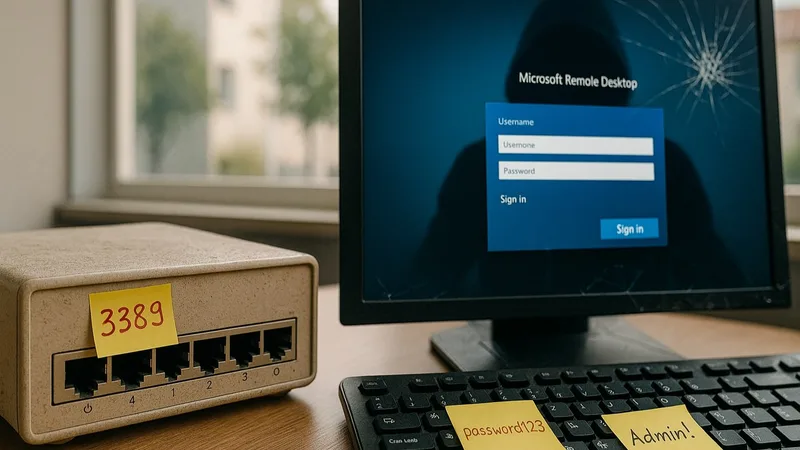
Yes, this is real. Yes, it’s still happening. Businesses in 2025 are still exposing Remote Desktop Protocol (RDP) to the open internet like it’s a perfectly normal thing to do. It’s not. It’s deranged. It’s like licking a petrol pump and being surprised you got sick. If you’re still running RDP with no VPN, no access controls, no MFA, and no clue , buckle up. This isn’t just a best practice failure. This is IT malpractice. And if you’re an MSP still recommending it? You should probably stop call
Microsoft Teams is the new darling of UK business. It’s chat, calls, meetings, file sharing and productivity all in one app. Unfortunately, it’s also a goldmine for attackers, and they know it. With the Tycoon 2FA phishing kit now targeting Microsoft 365 users through fake Teams login prompts, criminals are bypassing multifactor authentication in real time. It’s slick. It’s scary. And worst of all, it works. If your business still believes Teams is “safe because it’s Microsoft,” you’re dangerous
It’s 2025, but some UK councils and NHS departments are still sending confidential data via fax machines. That’s right. No encryption, no audit trail, just a shrieking relic from the 1980s spewing out safeguarding case notes or your latest blood test results from the GUM clinic into a shared office tray. With the analogue switch-off looming, this isn’t just old-fashioned, or quaint, it’s reckless. Why the hell are printer manufacturers are still enabling this madness - Looking at you HP, Epson,
Think the hackers are your biggest threat? Think again. That smiling MSP rep who promised “complete protection” might just be the reason your business is on its knees. Ransomware rarely walks in the front door it’s invited through by lazy patching, crap backups, and a culture of "just enough" IT. From misconfigured firewalls to fake dashboards and vendors more interested in sales than security, this is the real story of how ransomware thrives, enabled by the very people paid to stop it. If you t
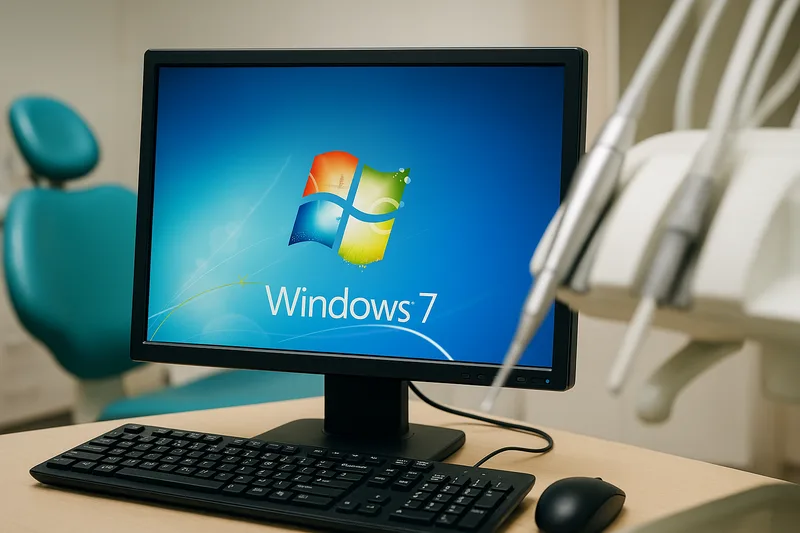
It’s 2025. You’re in a sterile, brightly lit dental surgery — and there it is. A screen glowing with the unmistakable Windows 7 login. The same OS that went end-of-life in 2020. What the actual hell? That PC isn't just a relic — it’s a walking GDPR violation and a ransomware welcome mat. If your dentist is still running patient records on Windows 7 or even XP, you’re not just risking plaque you’re risking identity theft. Please for the love of all things secure STOP THIS NOW. Before a root canal
A ransomware attack just crippled one of the UK’s key cold chain hauliers, leaving thousands of pounds’ worth of meat to rot before it ever reached supermarket shelves. Peter Green Chilled, who proudly promote their “bespoke IT systems,” couldn’t even keep order processing online. The result? Spoiled stock, supply chain chaos, and radio silence from a company with £25 million in turnover and not a single cybersecurity certification. This isn’t just an embarrassing IT failure. It’s a wake-up call
On 28 April 2025, the UK’s beloved Cyber Essentials scheme quietly lobbed a compliance grenade into your IT department. The Willow question set has arrived, and with it comes a new standard for audits, especially for Cyber Essentials Plus. The big twist? You no longer get to pick the test machines. That’s right , your favourite “show laptop” patched 20 minutes before the audit isn’t going to save you. The auditor picks now ,and gives you just three working days' notice . Smoke, meet exit. This a
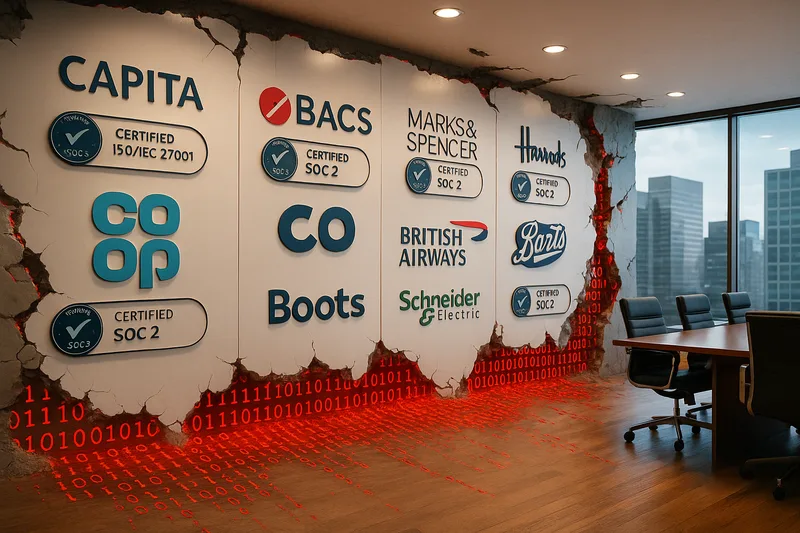
Too many UK businesses trust ISO27001 and SOC 2 to keep them safe. They shouldn’t. These frameworks focus on governance, not enforcement. When ransomware hits or supply chains collapse, it’s always the same gaps: patching failures, lack of segmentation, poor endpoint hygiene. Cyber Essentials, especially CE+, isn’t a tick-box. It’s the defensive baseline that would have saved countless organisations from disaster. This article lays out the real problem and preaches the blunt truth: no ISO, no SO
You’d think ISO27001 and SOC 2 certifications mean a business is secure. But if 2023 and 2025 have shown us anything, it’s that those badges don’t stop breaches. From Capita’s data leaks to Harrods’ containment chaos, and Co-op’s app disruption to the MOVEit dominoes, governance frameworks have failed where basic cyber hygiene would have succeeded. Cyber Essentials, often dismissed as small business fluff, turns out to be the missing frontline control in all of these high-profile failures. This