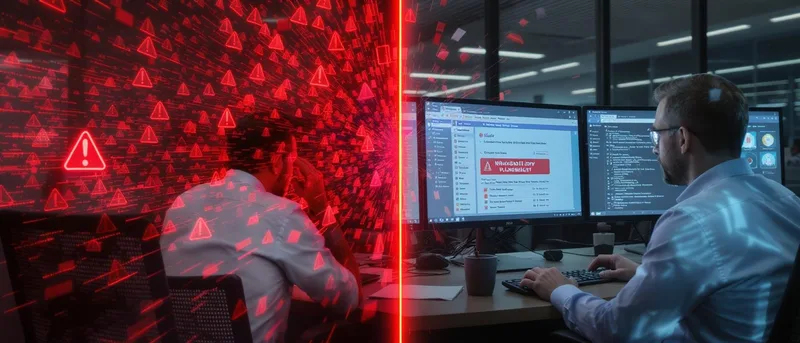
After analyzing the global response to CVE-2025-53770, the critical SharePoint zero-day that's compromised 75+ organizations in 48 hours, I'm convinced this isn't about technical competence. It's about human psychology. Right now, IT administrators who know their systems are vulnerable (CVSS 9.8) are doing nothing because of normalcy bias, sunk cost fallacy, and optimism bias. The organizations getting breached aren't those lacking knowledge - they're the ones whose psychology prevents acting on
After investigating technical debt disasters across the UK for over four decades, I've reached an uncomfortable conclusion: we're not just accumulating IT shortcuts, we're systematically building Britain's digital economic collapse. This week's deep-dive into technical debt revealed a pattern that goes beyond individual business failures. Every "temporary" solution, every deferred security update, every cost-cutting IT decision is another brick in the wall of our national digital vulnerability.
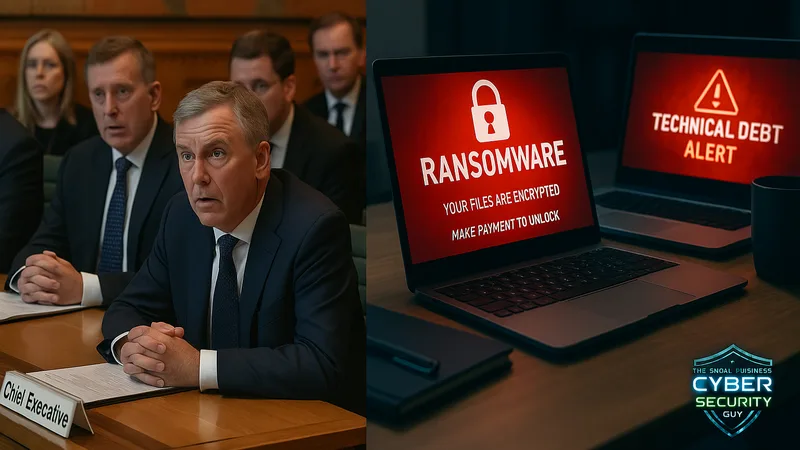
Pull up a chair for the most preventable business disaster I've investigated this year. A 78-employee Midlands manufacturing firm just got completely destroyed by technical debt they'd been accumulating since 2019. Six years of "temporary" solutions, unpatched systems, and IT shortcuts created the perfect storm when DarkSide ransomware hit in May 2025. £2.8 million in losses, 45 redundancies, and business closure within 8 weeks. Every single vulnerability that enabled this attack was documented,
After this week's deep-dive into technical debt psychology, let's talk about actually fixing the bloody mess. Your "temporary" solutions from 2019 are now permanent vulnerabilities that criminals are actively exploiting. Every day you delay proper technical debt management, you're bleeding money on maintenance, security patches, and the inevitable breach costs. I've seen £50 million companies destroyed by technical debt they knew existed but couldn't prioritize properly. Here's your framework fo
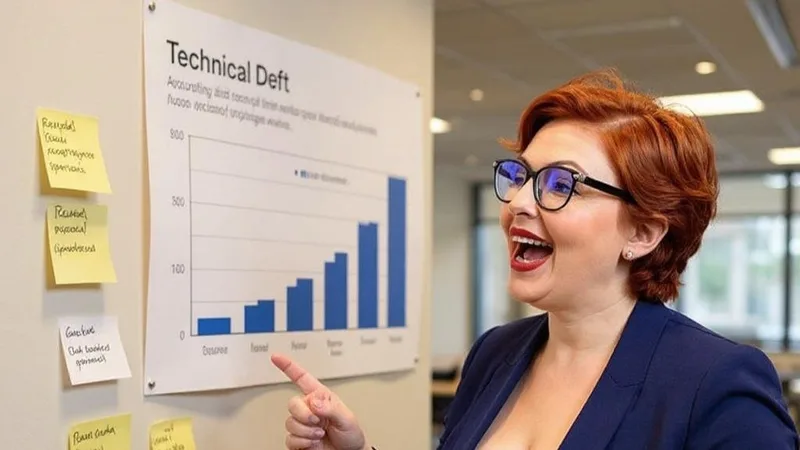
After this week's podcast on technical debt and supply chain failures, I want to examine why intelligent, well-meaning IT teams consistently create tomorrow's security disasters. Technical debt isn't just a coding problem - it's a psychological trap that 78% of UK businesses fall into repeatedly. We take shortcuts under pressure, defer security updates for stability, and convince ourselves that "temporary" solutions won't become permanent vulnerabilities. Understanding the cognitive biases behin
Same criminals. Same tactics. Completely different outcomes. M&S lost £300 million and took 46 days to restore online sales. Co-op faced identical DragonForce attacks but recovered swiftly with minimal disruption. The difference wasn't sophisticated security - it was operational agility versus accumulated technical debt. M&S drowned in decades of deferred decisions whilst Co-op's modern processes saved them. This isn't about having perfect systems, it's about building resilience. Wednesd
M&S lost £300 million because decades of technical debt left them unable to respond to basic social engineering. Co-op faced identical DragonForce attacks but recovered quickly through operational agility. The difference? M&S accumulated digital debt like a hoarder accumulates rubbish, whilst Co-op invested in resilience. Technical debt isn't just old software - it's every deferred security decision, every "temporary" workaround, every vendor relationship without oversight. Podcast Episo
Wednesday's parliamentary hearing was brutal. M&S Chairman Archie Norman squirming whilst explaining how criminals cost his company £300 million through basic social engineering. McDonald's serving up 64 million job seekers to potential identity thieves. Both disasters show the same pattern: years of deferred security investments creating systematic vulnerabilities. This isn't sophisticated hacking, it's criminal exploitation of corporate incompetence. M&S had no cyber attack plan despit
After 40 years watching this bloody circus, this week's Shadow IT investigation revealed the most uncomfortable truth in business technology: unauthorized applications aren't the problem. They're proof that our entire industry has systematically failed small businesses through decades of vendor greed and procurement theatre. Seventeen project management tools because enterprise solutions are unusable garbage. £127k unauthorized spending because we sold them digital dumpster fires. Communication
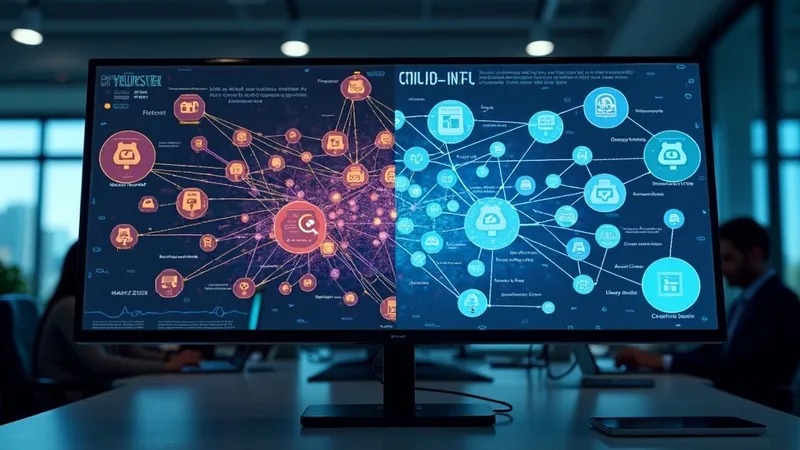
Buckinghamshire engineering firm thought they had "pretty good visibility" into their IT environment. DNS monitoring revealed 247 unauthorized cloud services, 43 different communication platforms, and £127,000 annual Shadow IT spending they didn't know existed. Dropbox, Google Drive, OneDrive, iCloud, plus dozens of project management tools, design software subscriptions, and messaging platforms. One week of DNS logs exposed six years of unauthorized software proliferation. The technical impleme
Seven communication platforms. Fifteen employees. £23,000 legal discovery bill when employment tribunal demanded complete records. WhatsApp Business for customers, Slack for projects, Discord for "team building," Signal for "confidential" talks, Telegram for contractors. When they needed to reconstruct one client relationship, conversations were scattered across platforms they couldn't control. Customer satisfaction dropped 40% because every interaction started from zero knowledge. The legal pen
A password of "123456" in 2025, supposedly protecting 64 million people's personal information. McDonald's just handed every UK SMB a masterclass in how vendor incompetence destroys lives. Some security researchers got curious about Mickey Dee's dystopian AI hiring bot, spent 30 minutes guessing obvious passwords, and suddenly had access to every job application ever submitted to the Golden Arches. While McDonald's and their AI vendor Paradox.ai play hot potato with blame, 64 million desperate j
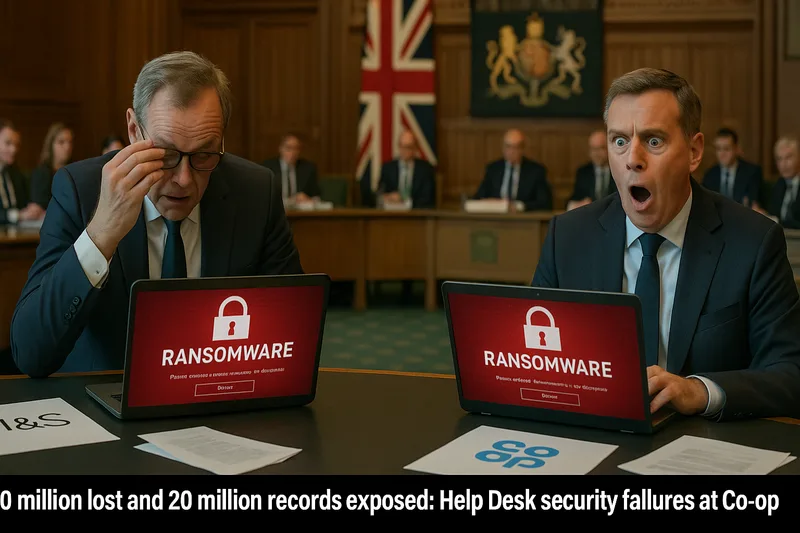
M&S just lost £300 million and Co-op exposed 20 million customer records because some criminal rang their IT help desk, pretended to be an employee, and walked away with the keys to the kingdom. Not sophisticated malware. Not zero-day exploits. A bloody phone call. The parliamentary hearing this week revealed the shocking truth: Britain's biggest retailers have help desk security that wouldn't pass muster at a corner shop. When Archie Norman admits they had "no cyber attack plan" and describ
Microsoft's July 2025 Patch Tuesday just dropped 130 security fixes while most UK SMBs remain blind to 42% of applications running on their networks. From my government cyber experience, this represents a systematic organizational failure: you cannot patch what you cannot see. Critical vulnerabilities in Windows Kernel, BitLocker, and authentication systems require immediate deployment, but Shadow IT applications will break unpredictably. Worse, the buried Secure Boot certificate expiration warning affects
Yesterday's Episode 6 dropped the bombshell: 42% of business applications are unauthorized. Today we're diving deeper into the hidden app epidemic destroying UK SMB security. Karen's Dropbox backup strategy with password "Password" shared via email. Marketing teams feeding confidential data to AI platforms. Customer service operations running through WhatsApp Business storing financial information in chat logs. DNS monitoring revealing 200+ cloud connections in a single week. This isn't isolated
Episode 6 drops today with a statistic that'll make your blood run cold: 42% of business applications are unauthorized. While you're worrying about hackers, your helpful employees have built them a data highway using WhatsApp customer service, Karen's Dropbox backup strategy (password: "Password"), and seventeen project management tools for twelve people. Mauven brings her government cyber perspective on government Shadow IT disasters, while Noel shares the DNS monitoring method that revealed 200+ cloud con
A $48 billion global technology giant just got destroyed by criminals who exploited a basic firewall misconfiguration. Ingram Micro, the backbone of every MSP and reseller on the planet, is bleeding £136 million daily because someone forgot to tick a checkbox properly. SafePay ransomware walked through their VPN like it was an open door, bringing down the entire global IT supply chain. If you're an MSP depending on single vendors, you're about to learn the brutal cost of trusting other people's
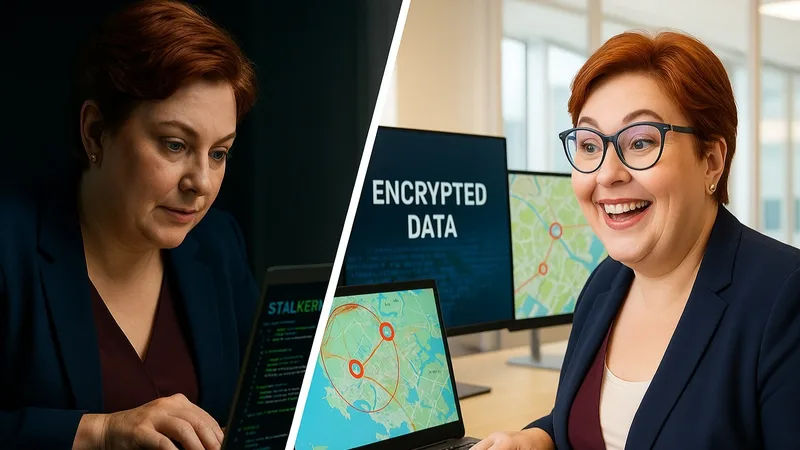
Former UK Government Cyber analyst Mauven MacLeod exposes the disturbing Catwatchful stalkerware operation that suffered a massive breach in June 2025, revealing 62,000 customer accounts and 26,000 monitored victims across seven countries. This isn't just cybersecurity failure - it's weaponised surveillance technology enabling domestic abuse and stalking. The breach exposed plaintext passwords, comprehensive victim data dating to 2018, and the operation's Uruguay-based administrator. From a government security
Right, pull up a chair. We need to have a bloody serious conversation about the EV charging disaster that's been hiding in plain sight. Oxford researchers just confirmed what should terrify every electric vehicle owner: your charging cable is a 47-meter antenna broadcasting your vulnerability to anyone with £200 worth of kit from eBay. The "Brokenwire" attack can kill charging sessions wirelessly, and it's built into the bloody standards that govern 12 million EVs worldwide. Known since 2019, st
Janet Jackson's "Rhythm Nation" music video could crash laptops just by playing the audio. Not through software exploits or malware, but because the bloody song contained the exact resonant frequency that turned 5400 RPM hard drives into expensive paperweights. Even better: playing the video on one laptop could crash OTHER laptops sitting nearby through pure acoustic warfare. Microsoft engineers had to add secret audio filters to prevent pop music from destroying computers. If a 1989 dance track